What is Light Gauge Steel (LGS) Construction?

LGS is a modern construction method that uses cold-formed steel members to create structural frameworks for buildings — rapidly growing worldwide as builders prefer its advantages over traditional methods.

Modern Construction Technology

Cold-Formed Steel Framing for Modular Construction

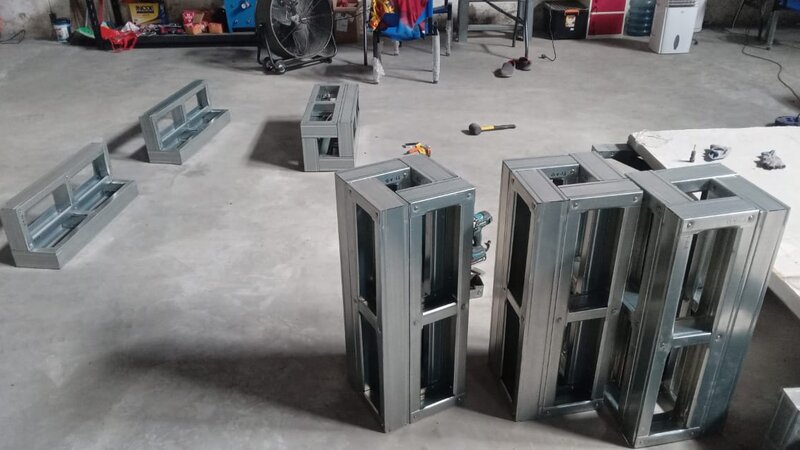
Light Gauge Steel (LGS) begins as galvanized sheet steel shipped in coils from mills, then shaped into structural members without heat application. The cold-forming process creates C-sections, tracks, and other shapes, enhancing strength through the work-hardening effect.

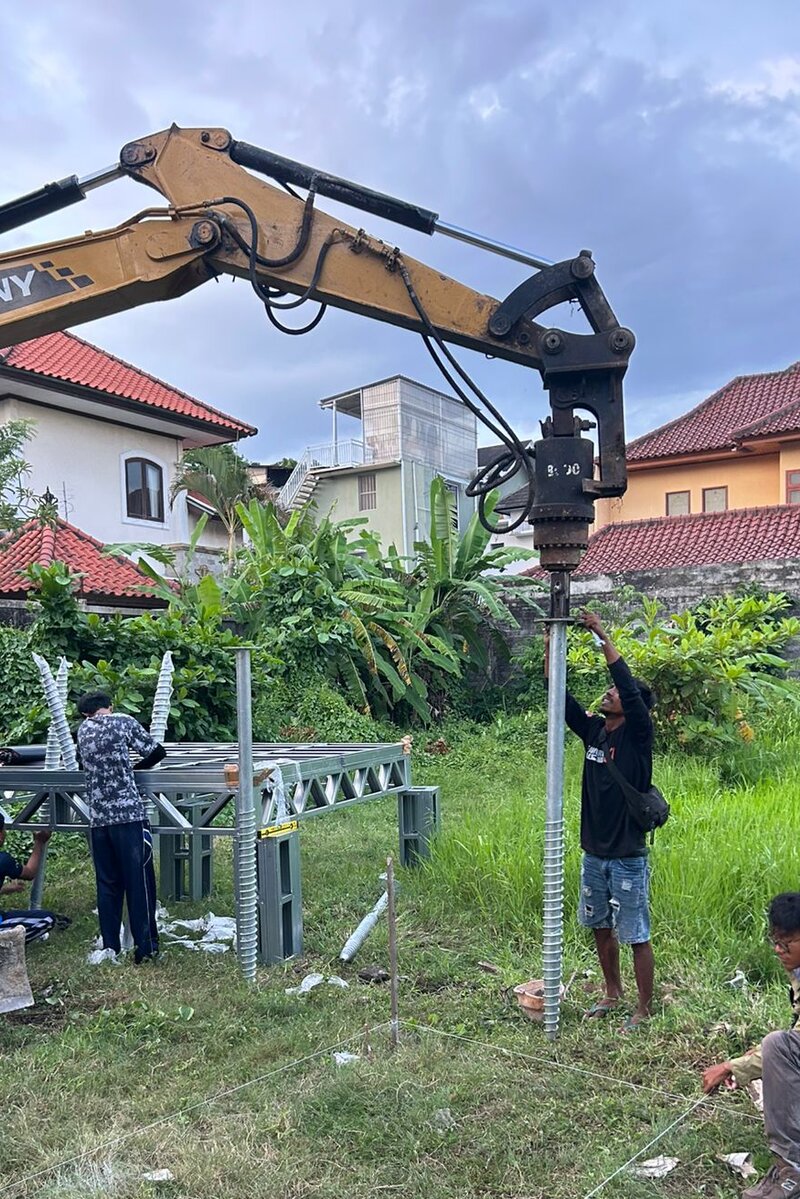
Commonly used in single-family homes and multi-family row houses up to three stories, LGS is increasingly popular in commercial buildings across Indonesia for its versatility and performance. Loadbearing members comply with ASTM standards, featuring minimum yield strengths of 230-340 MPa depending on thickness.

  • Cold-formed galvanized steel — no heat required
  • C-sections, tracks, and custom structural shapes
  • ASTM-compliant with 230-340 MPa yield strength
  • Zinc or aluminum-zinc corrosion protection
  • Suitable for residential, commercial, and mid-rise buildings
⚙️

Cold-Formed Steel

Galvanized steel shaped into precision structural members without heat application

Characteristics

LGS Material Specifications

Understanding the engineering behind light gauge steel construction components used in modular buildings across Indonesia.

LGS Manufacturing Process
🔩

Manufacturing Process

LGS begins as galvanized sheet steel shipped in coils from mills, then shaped into structural members without heat application.

Cold-Formed Steel Profile
📐

Profile Formation

The cold-forming process creates C-sections, tracks, and other shapes, enhancing strength through the work-hardening effect.

LGS Material Specifications
📊

Material Specifications

Loadbearing members comply with ASTM standards, featuring minimum yield strengths of 230-340 MPa depending on thickness.

Zinc Galvanized Coating
🛡️

Corrosion Protection

LGS members include metallic coatings (typically zinc or aluminum-zinc) that protect the underlying steel from deterioration for decades.

Frame Components

Components of an LGS Steel Frame

A complete light gauge steel framing system includes wall, floor, and roof systems — each engineered for modular construction excellence.

🧱 Wall Systems

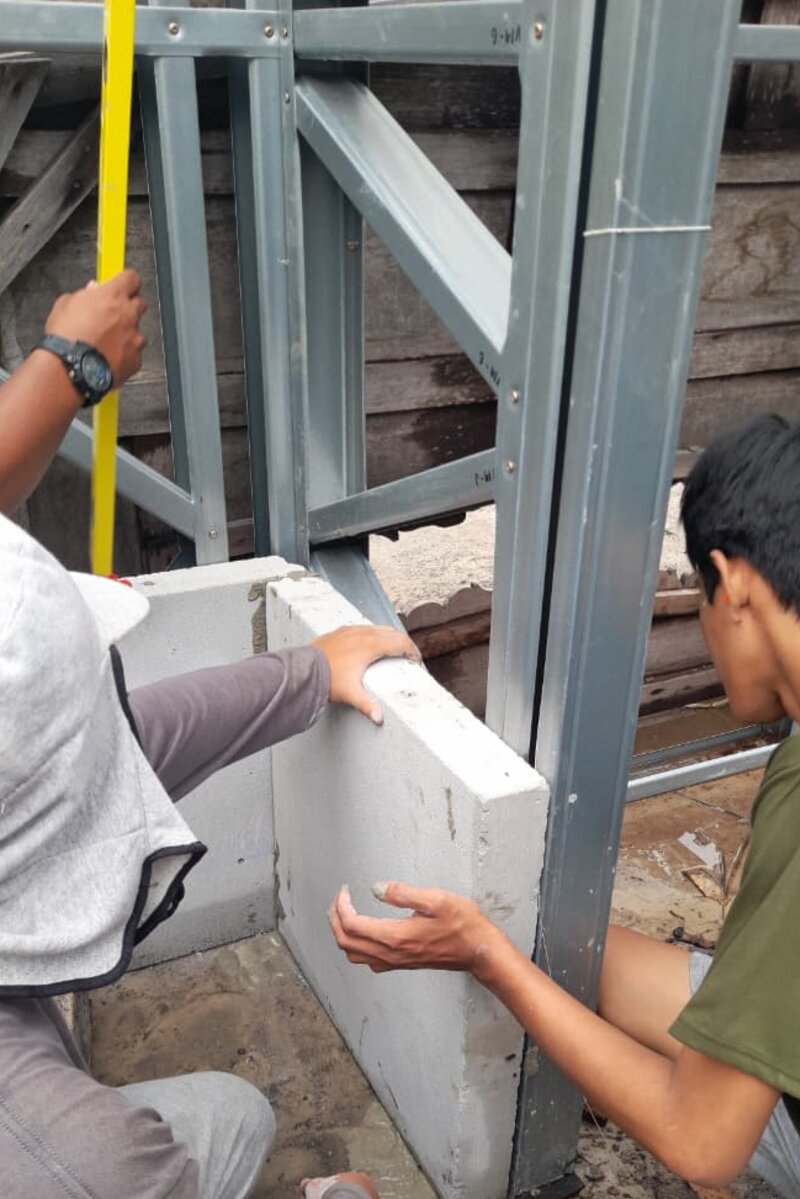
Loadbearing walls carry vertical loads from construction above or lateral loads from wind. Non-loadbearing walls act as partitions. Components include C-shaped wall studs, top and bottom tracks, and bracing.

  • Design Factors: Walls divided into loadbearing (structural) and non-loadbearing (partition) categories; selection of members based on structural requirements
  • Assembly Methods: Tilt-up construction enables efficient horizontal framing prior to vertical placement
  • Structural Integrity: Horizontal bridging prevents twisting; diagonal X-pattern bracing provides resistance against lateral forces
  • Performance: Non-combustible steel offers excellent fire resistance; cavity insulation improves sound control with higher STC ratings
🧱

Wall Systems

C-shaped studs, tracks, and X-pattern bracing for structural and partition walls

🏗️

Floor Systems

C-section joists and bearers engineered for optimal load distribution

🏗️ Flooring Systems

Made up of C-sections as joists connected to C-section bearers. Floor joists can be designed from various C-section sizes based on specific loading parameters.

  • Load Transfer: LGS floors efficiently distribute both dead and live loads, ensuring structural stability by resisting deflection
  • Beam Options: Structural and built-up LGS beams deliver excellent support; steel beams need 89mm minimum end support
  • Joists & Stability: Precision-engineered joists with double joists for parallel partition walls and solid blocking at max 2400mm spacing
  • Assembly Benefits: Subfloors offer lateral bracing for joist flanges; clip angle connectors secure floor openings

🏠 Roof Systems

Generally a steel truss system designed for metal sheets or tiles. Can accommodate all types of roof designs — hip, gable, dutch gable — and are screwed directly onto the wall frame.

  • Framing Options: Custom "stick built" rafters or pre-engineered truss assemblies for spanning exterior walls
  • Environmental Resistance: Designed to endure wind and snow loads of up to 2.5 kPa without specialised design
  • Installation: Ceiling joists need top flange bracing; roof joists installed like floor systems with web stiffeners
  • Wall Connections: Made using wood or steel top plates; double wood plates allow elimination of in-line framing
🏠

Roof Systems

Steel truss systems for all roof types — hip, gable, dutch gable

MEP Integration

Integrating MEP Systems with Light Gauge Steel

LGS frames are designed for seamless integration of mechanical, electrical, and plumbing systems — reducing installation time and costs in modular construction.

❄️

HVAC Systems

Pre-punched service holes allow efficient routing of ducts. Straight walls and square corners provide predictable pathways, making pre-assembly feasible.

Electrical Systems

Steel's non-combustible nature enhances fire safety. In case of electrical faults, the conductive steel frame trips circuit breakers instantly, preventing hazards.

🔧

Plumbing Systems

Factory-provided pre-punched holes eliminate on-site drilling. Dimensional stability ensures pipes remain securely fastened within stable wall cavities.

🚀

Installation Benefits

Reduced on-site modifications and faster installation times translate into lower labour costs and accelerated project timelines for all MEP contractors.

Explore LGS Benefits for Your Indonesia Project

Discover how light gauge steel construction can save you time, money, and deliver superior results in Indonesia's climate.

See LGS Benefits → Contact Us
Chat with us on WhatsApp!💬
🏗️ Build 3x faster with modular LGS